
An Astronaut Tried My Flight Simulator! - Final Year Project Part 3

I thought my final year project was over after graduation. Instead, I came back as an engineer, helped build a wheelchair-accessible flight simulator, and showcased it at Europe's biggest airshow where Red Arrow pilots and astronaut Tim Peake tried it out.

Hero image for An Astronaut Tried My Flight Simulator! - Final Year Project Part 3

You’d think that once I finished my final year project, I’d be done with it—right? I got the grade, I attended my graduation—surely that gave me every right to walk away from the flight motion platform after all that work.

No.

I wasn’t done with the project. In fact, the real journey hadn’t even properly begun by the time I finished my course.

As I alluded to in my first part, the flight motion platform was actually part of a much larger initiative—one that Middlesex University was developing in collaboration with the Royal Aeronautical Society, Aerobility, Coventry University, and others.
The project was called falcon 2. A project between the RAeS and other companies to bring the experience of flight to disabled users.

On the day of my final presentation, just moments before I was due to begin, my supervisor approached me. He asked—almost casually—whether I’d be willing to come back on Monday and continue working on the project.

Not as a student.

But as an engineer.

I said yes.

Here are the highlights from that extra three-month journey—one that culminated in what was, quite possibly, one of the best days of my life.
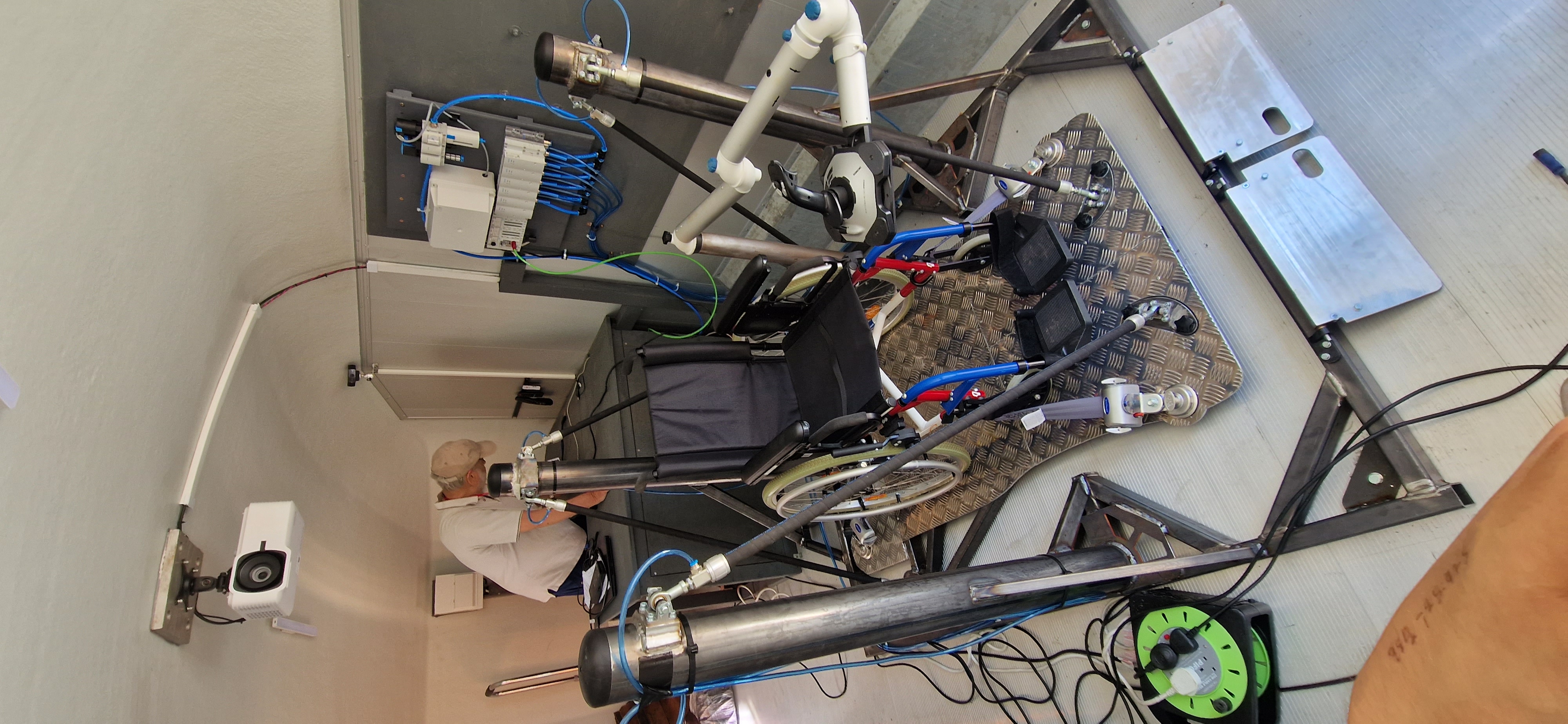
First and foremost was the platform itself. The platform I showed working on part 1 was just to test out my muscle control software. The real project platform was the one shown on the right which didn’t get built until like a month after my studies were over. This platform was wheelchair accesible, much bigger and intended to fit in a portable trailer.

This platform also made use of the much bigger muscles that I obtained calibration data for during my thesis.

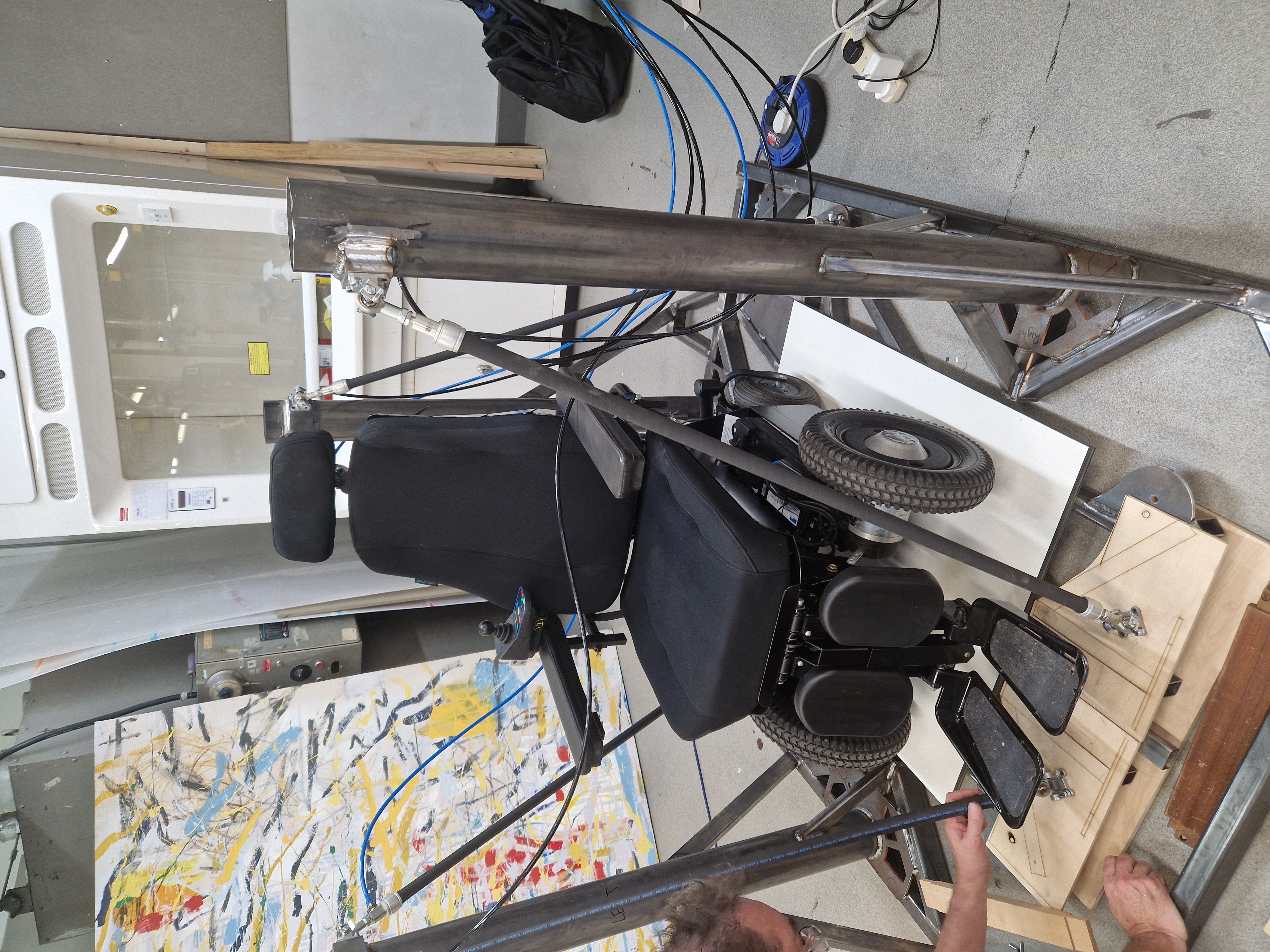
There were a lot of changes done to my codebase and the project itself. For instance we went through a few iterations for the chair. The one shown in the left was the initial mobility chair given to us by a sponsoring company. Although it was motorized and allowed for the user to elevate and move around, it was too heavy for the platform so we went with a simple wheelchair in the end.

The platform’s key advantage was that it allowed wheelchair users to remain in their own chairs, simply by swapping out the default seat using quick-release hooks.

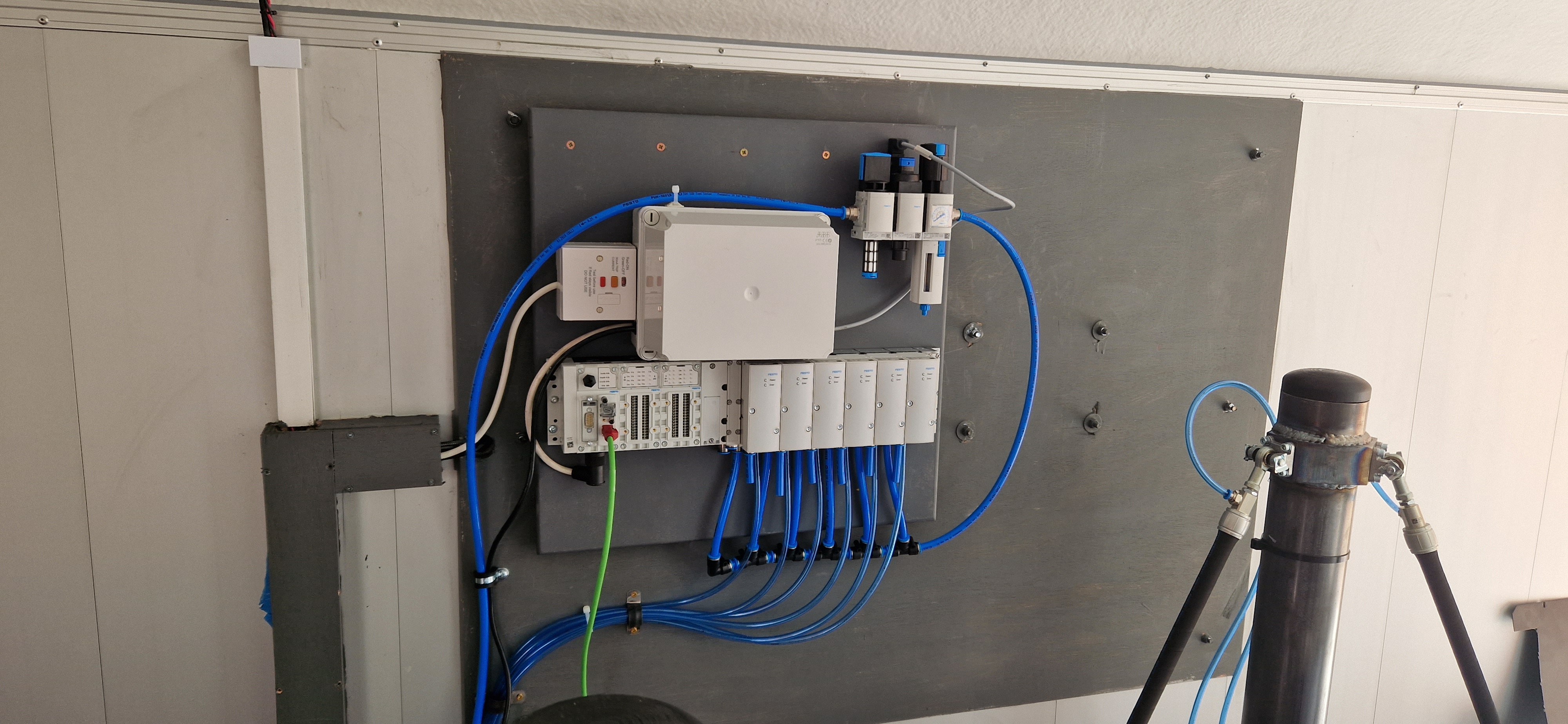
The pneumatic system that drove the platform was mounted to the wall of the trailer. It was properly equipped with a safety relay as well as a nice big red EStop button resting at the operator’s desk in case anything went haywire.

Fun story: The PLC that drove the platform was so old, we had to contact a robotics alumnus from years ago to help us transfer the code onto a new unit. That very student was the one who made Baxter the selfie robot! A popular MDX attraction.

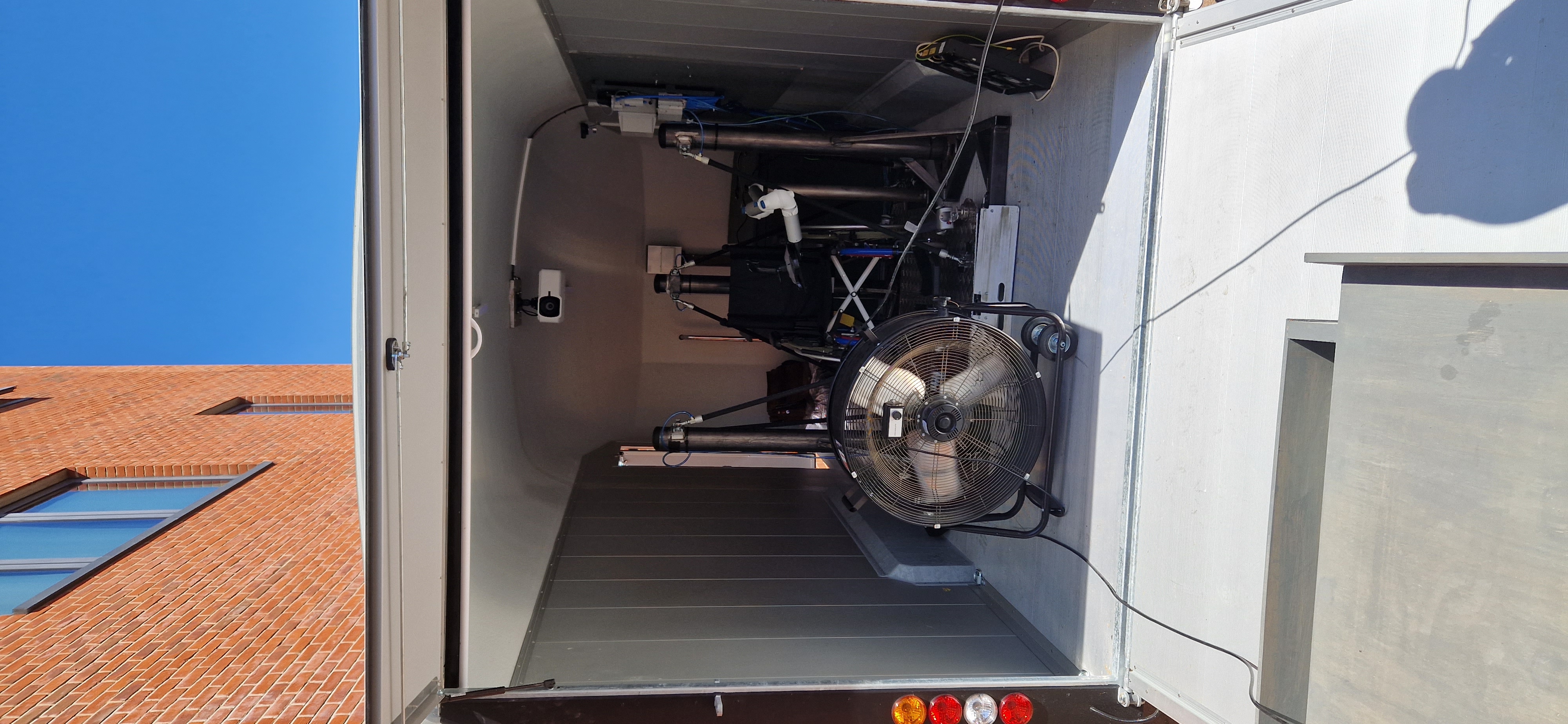
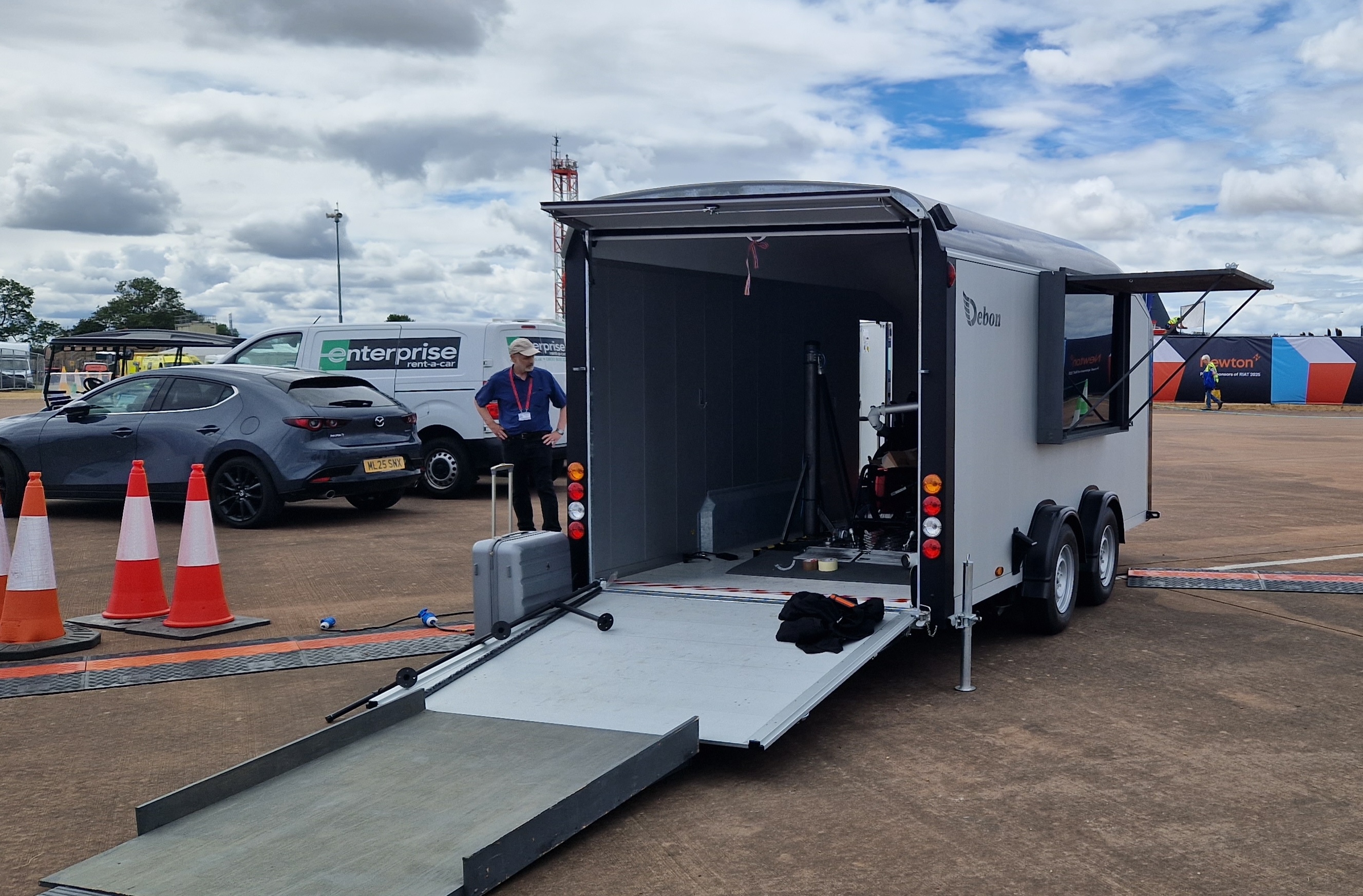
The platform got mounted on a big trailer meant for convenient transport and storage. Behind the platform would be an operator’s desk with all the neccesary equipment to safely operate the platform.

If you notice, the picture on the left shows a big fan in front of the platform. This was because at the time we were assembling the thing in blistering June heat inside a tin box that had no AC installed yet.

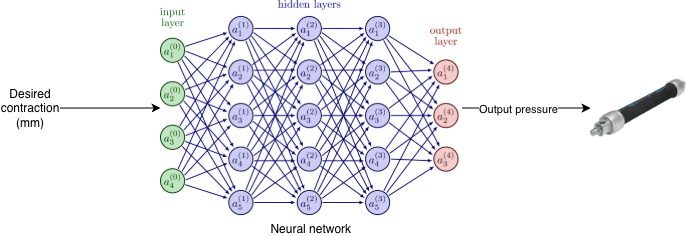
Another fairly major development during these three months was the use of an Artificial Neural Network (ANN) to improve muscle contraction distance accuracy.

Fluidic muscle control is a long story—fully detailed in my report —but the key point is this: a fluidic muscle is a non-linear system. Non-linear systems are hard to control. To make matters more challenging, we didn’t have a sensor, so a closed-loop system wasn’t possible. The software simply had to send the correct pressure to the muscle—there was no feedback.

My thesis initially addressed this using a lookup table based on rig calibration data. However, I wanted to push the actuator accuracy further, so I developed an alternative control method using an ANN.

ANNs are well-suited for approximating outputs in non-linear systems. I trained a simple model on demo flight data, which resulted in a 71% improvement in accuracy.

Despite this success, we ultimately stuck with the original look-up table approach. It was proven, reliable, and—given the stakes—we didn’t want to risk introducing uncertainty for the big day.
And then came the big day!

July 18th 2025.

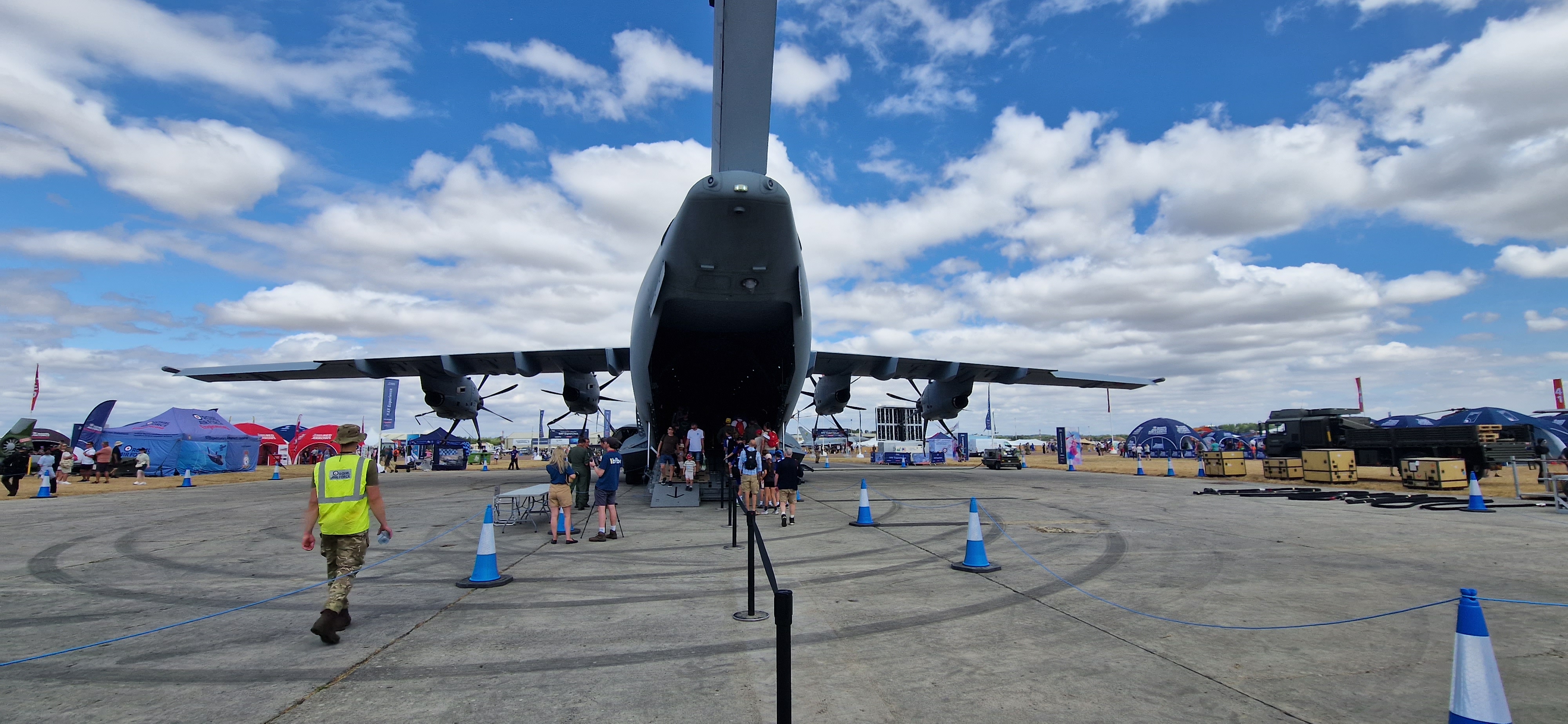
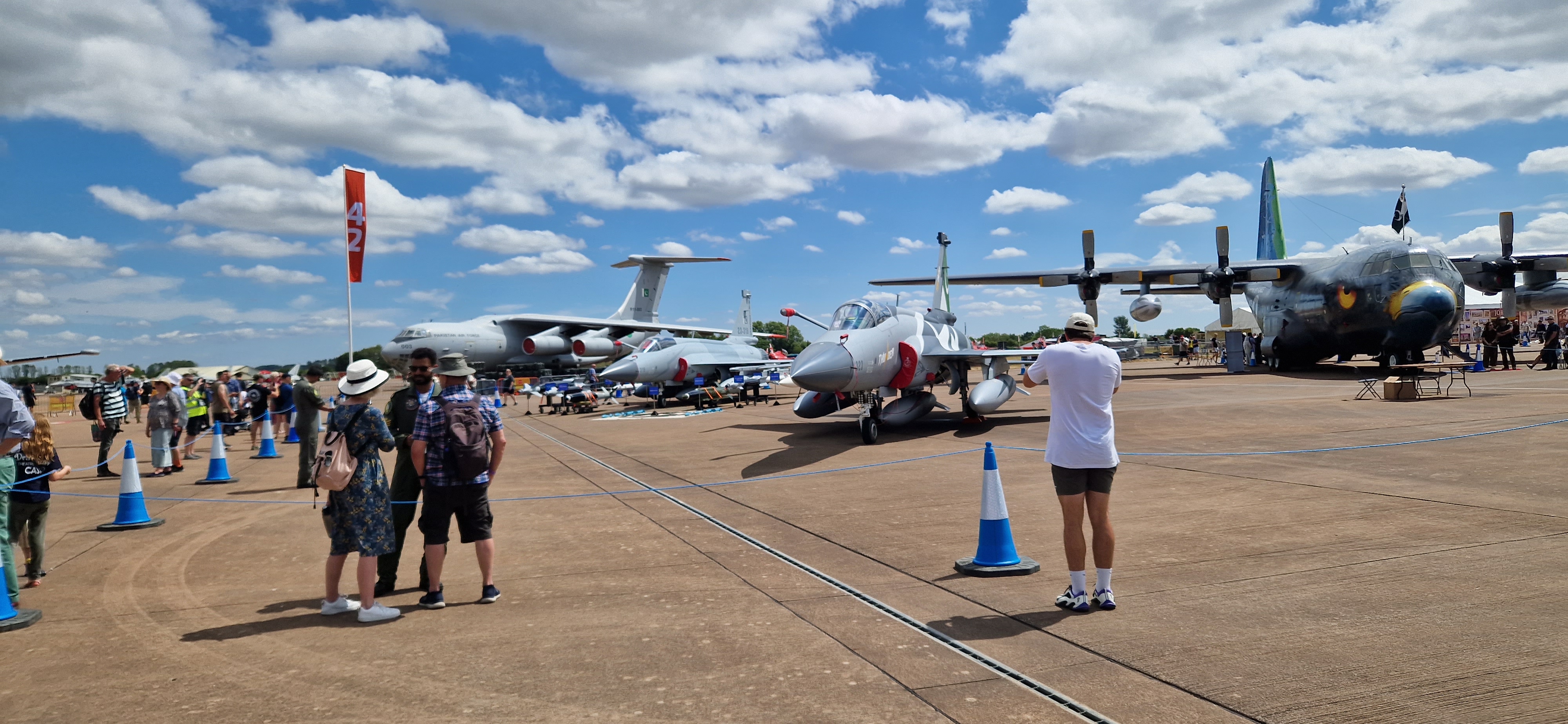
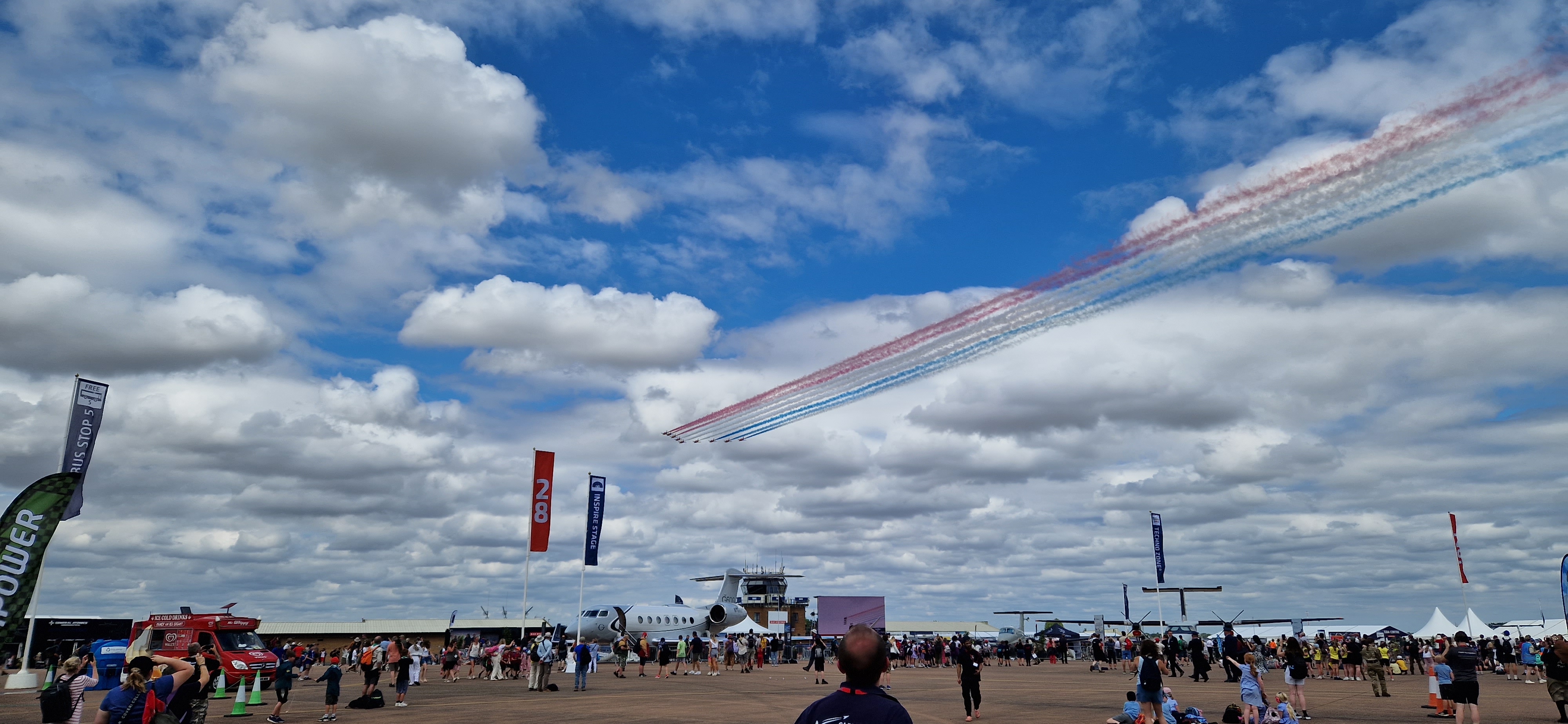
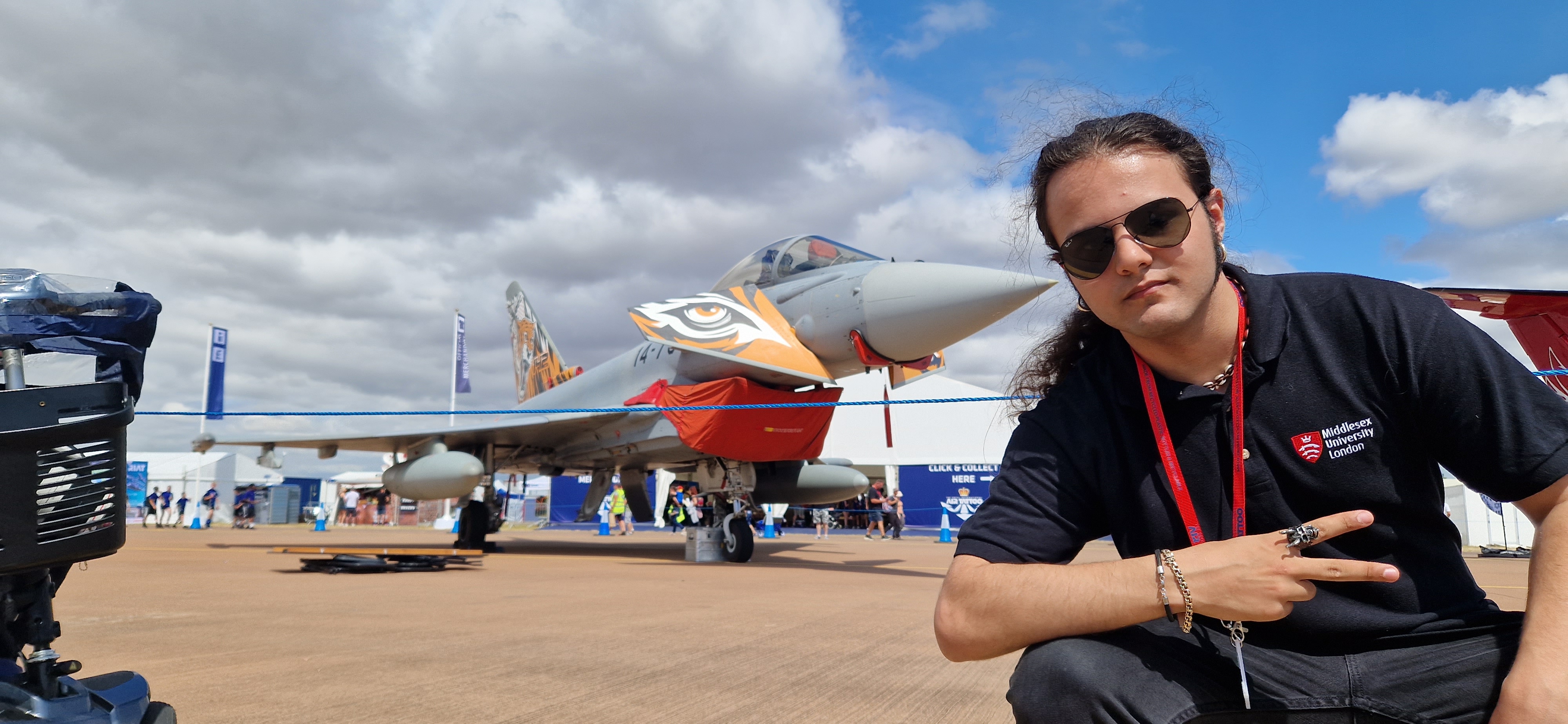
The Royal International Air Tattoo. Europe’s biggest airshow where pilots and aircraft from every inch of the world meet up for several days filled with fun excitement and sheer awe.

After all our hard work working on the platform, the trailer, the software - our creation was ready to be showcased to hundreds of visitors.

And man were they some amazing days! Where to even begin!?

First off the red arrows!

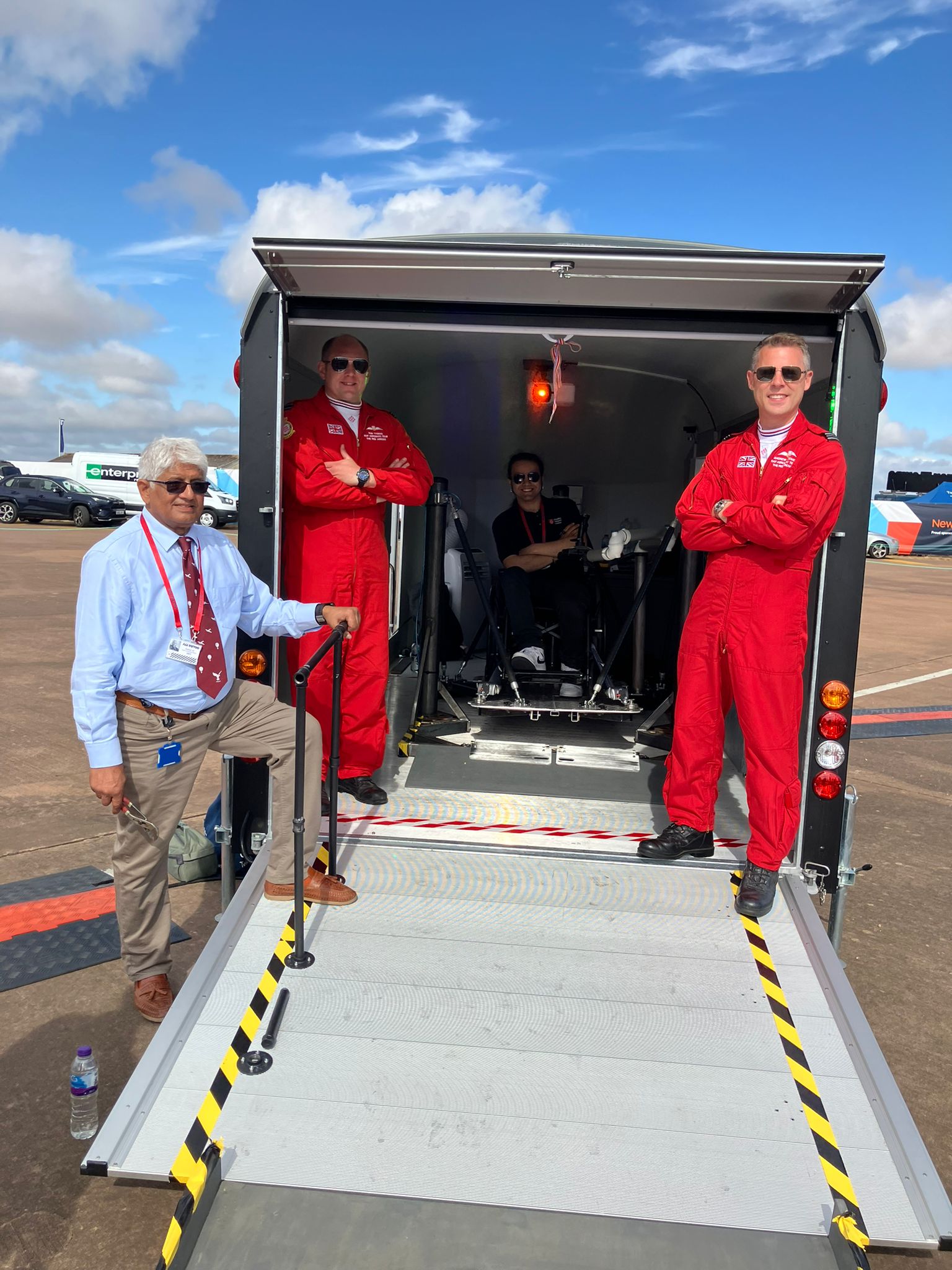
Red arrow pilots - quite possible some of the coolest men to walk the earth came in - saw the platform I worked so hard on and said how legitimately impressed they were!

I shook hands, we posed for a cool photo and to this day I still giggle at how fantastic that experience was.

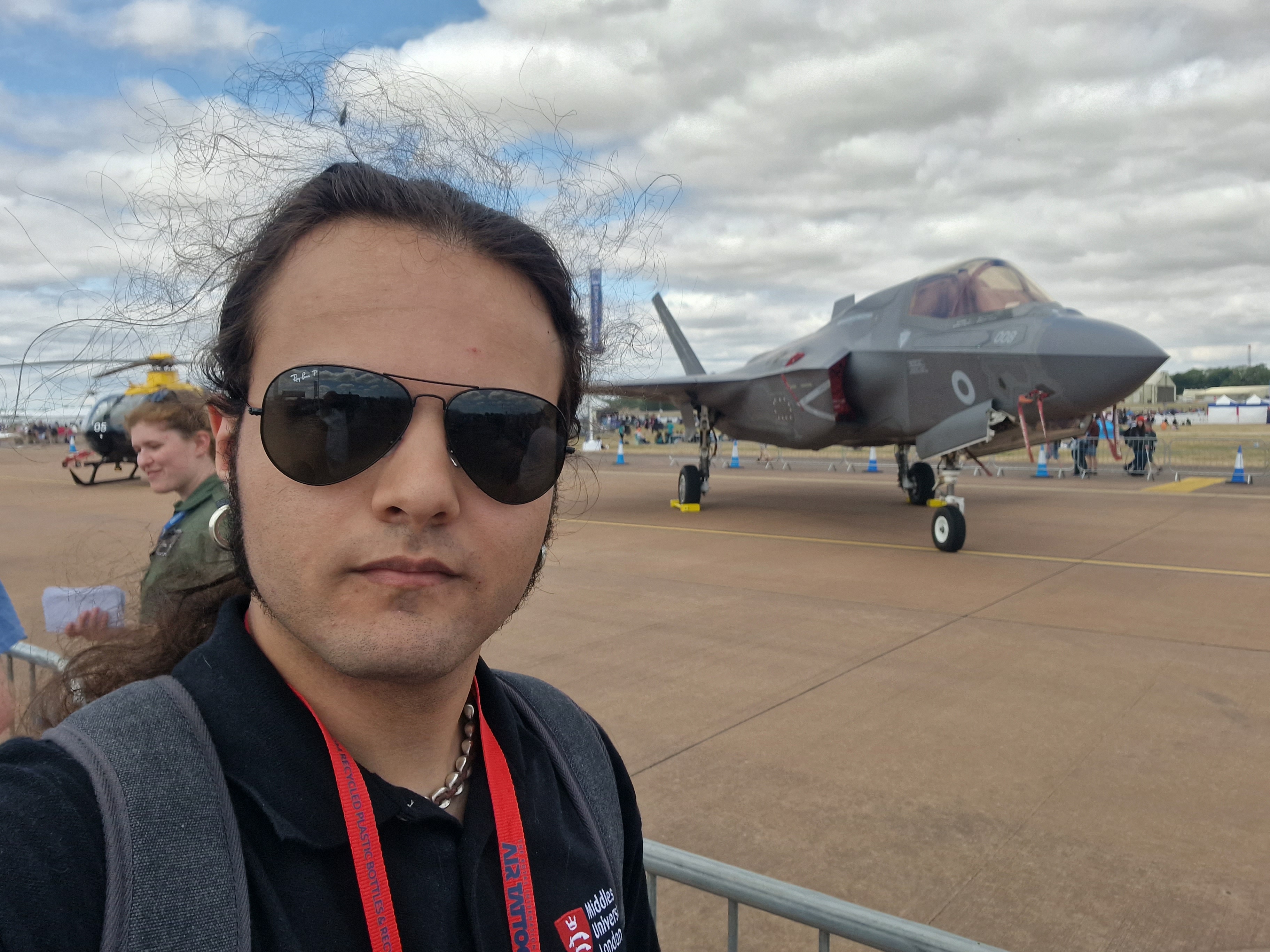
Then came the aircraft showcase—and suddenly, everything felt real.

I took countless photos, but no image can truly capture what it’s like to stand just metres away from these machines.

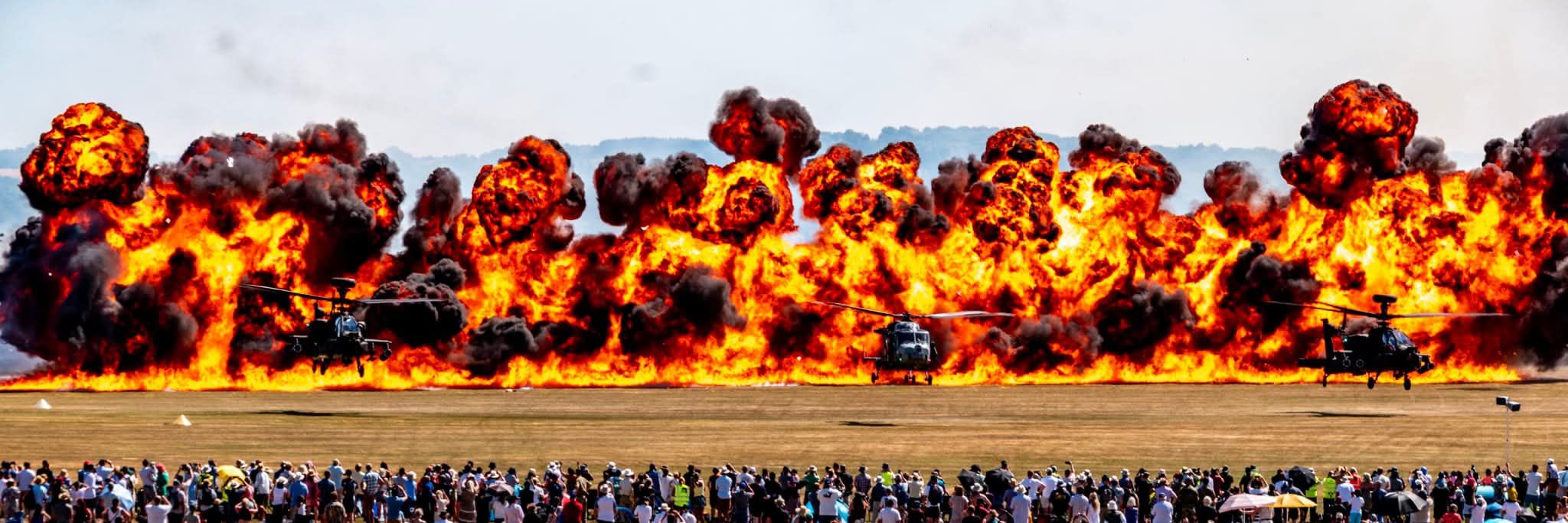
Seeing an aircraft on a screen is one thing; seeing it in person is something else entirely. And watching them fly? That’s on another level. It’s genuinely breathtaking to witness these engineering masterpieces roar past at dazzling speeds, then sweep back around with effortless precision.

In those moments, it really hit me—this is what all the work had been building towards. The project wasn’t just code, data, or hardware anymore; it had brought me here, to experience firsthand the very machines and principles I’d been striving to replicate.

And to top it all off, just when the day couldn’t get any better, Tim Peake walked in.

A real astronaut—someone who has lived and worked aboard the International Space Station—trying out our platform.

And he didn’t just try it… he loved it.

Hearing such positive feedback from someone with real spaceflight experience was incredible. It wasn’t just praise—it was validation that what we’ve built truly works.

Seeing my work recognised at that level was an unforgettable moment.

Check out the video on the right to see his review.

What - a - day. Easily one of the best I have ever lived and one that truly reinforced my drive for doing what I love. To work on great projects and do great work that makes others happy.

Behind the Scenes